



SOUND INDUCING SLEEP
In 2001, researchers studying the Mereon Matrix unfolded a number that had many unique properties. The hypothesis was this was a sequence of frequencies—a sonic composition generated by the complex motion of the geometric system—The Song of the Mereon Knot.
The questions were profound: Would playing this sequence reveal hidden patterns? Could geometry become sound? And if so, might that sound affect living systems?
These questions remained mysteries until 2012.

The Inaudible Reveals The Invisible
In 2012, researchers injected 7.97 Hz into water using the CymaScope, most stunned as it generated the Mereon Matrix—visible proof of geometry emerging from sound. This discovery catalyzed a deeper investigation considering how Lynnclaire Dennis had long insisted it was the Music that healed her heart and brain.
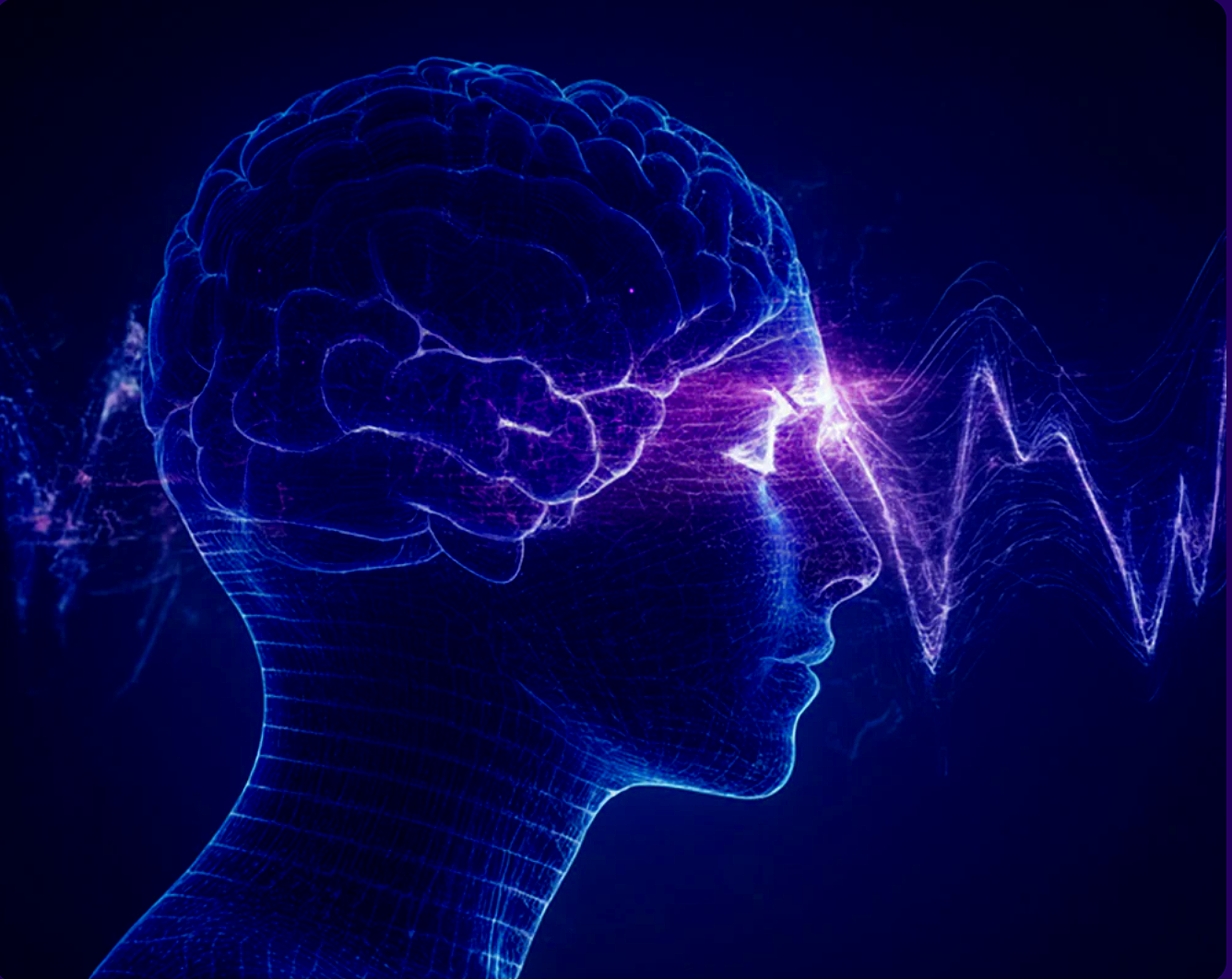
A discovery was made that was more than a hint at the connection. When cymatically imaged both the stethoscopic sound of the heart and sonification of an EEG, the brain, displayed the same patterning.
The question became: Might these frequencies benefit others?
From Meditation to Sleep
Building on the cymatics validation, the team began developing a sound composition using eight sequential gamma-range frequencies extracted from the Mereon Constant.
2016: A meditation study with 22 participants reported heightened clarity, deeper relaxation, improved focus, and altered perception of time.
2017: A street experiment in Davis, California confirmed the pattern—participants reported reduced stress, increased focus, and profound relaxation.
2018: A neuro-cardio study by Dr. Andres Muñoz Rizos in Spain found all participants showed increases in the Alpha/Theta ratio, suggesting potential benefits for mood and emotional regulation.
2020: A neuropsychological study by Francisco Marques-Teixeira aimed to detect Theta waves but found something unexpected—most participants entered Delta, the brainwave state associated with deep sleep.
2022: A follow-up study confirmed the finding: 70% of participants reached Delta states within minutes of exposure.
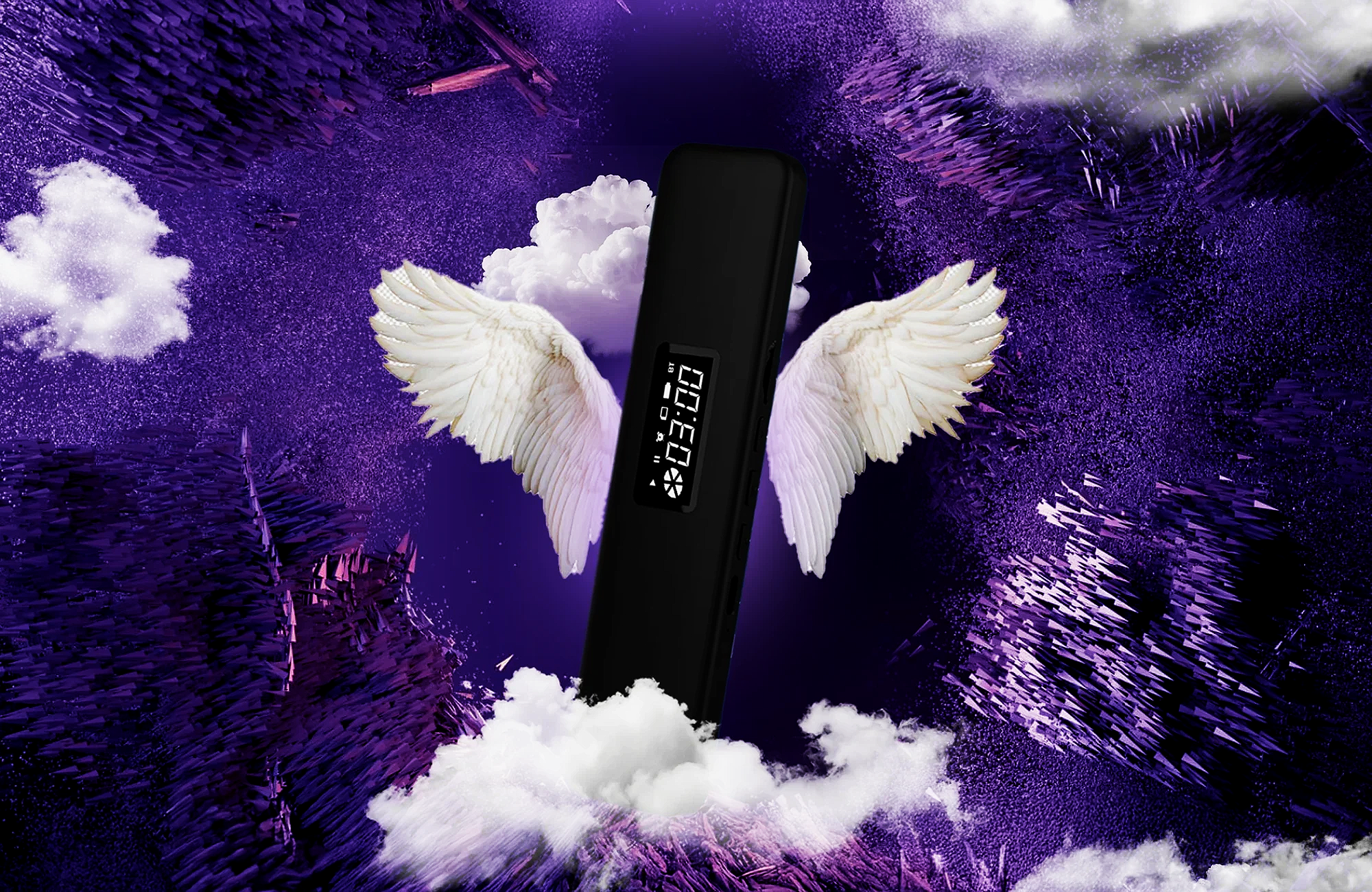
2021: The composition was named Sonopeace.
2025: Clinical Validation
Results from a gold-standard 7-week double-blind, placebo-controlled, randomized crossover clinical trial demonstrate that Sonopeace delivers statistically significant improvements across both objective sleep measurements and subjective sleep experience—with a perfect safety profile.
The Sterling IRB-approved study enrolled forty-five adults aged 40–60 with self-reported sleep difficulties. Thirty-four participants completed the study, using the Sonopeace device nightly while sleep was monitored using SleepScore Max technology and validated clinical questionnaires.

Outcomes
Listening to the Sonopeace Sound Device during night is associated with increased sleep quality observed in both objectively measured indicators and subjectively experienced indicators.
Observing a tendency of a slight decrease in daytime sleepiness rather than increase, we conclude that the improved sleep quality is not associated with ‘daytime drowsiness’ or ‘hangover effects’.
This indicates that Sonopeace works via sleep quality improvement, not sedation, and that listening to the device during sleep does not negatively influence the following daytime activities.
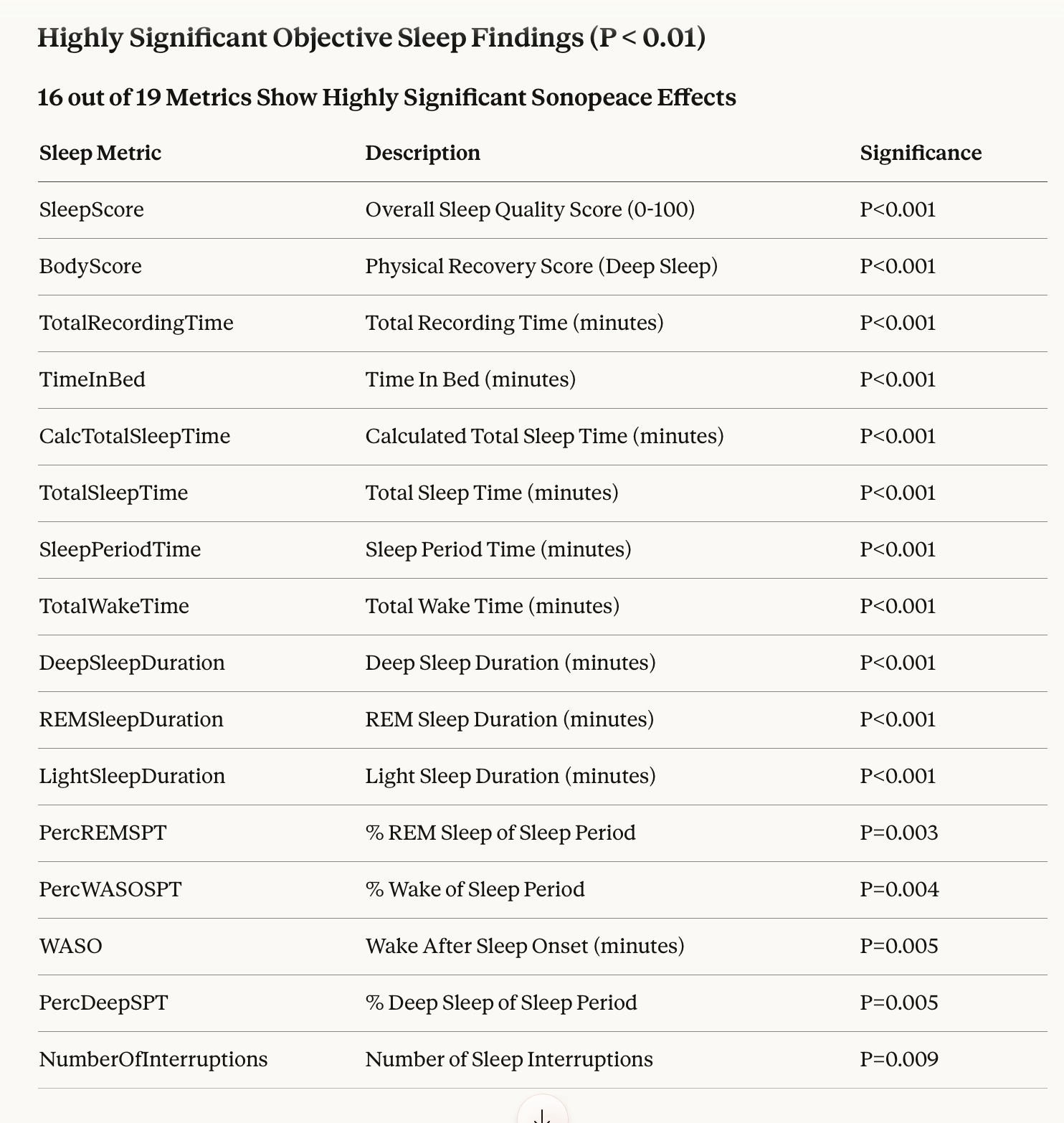
Highly Significant Objective Sleep Findings
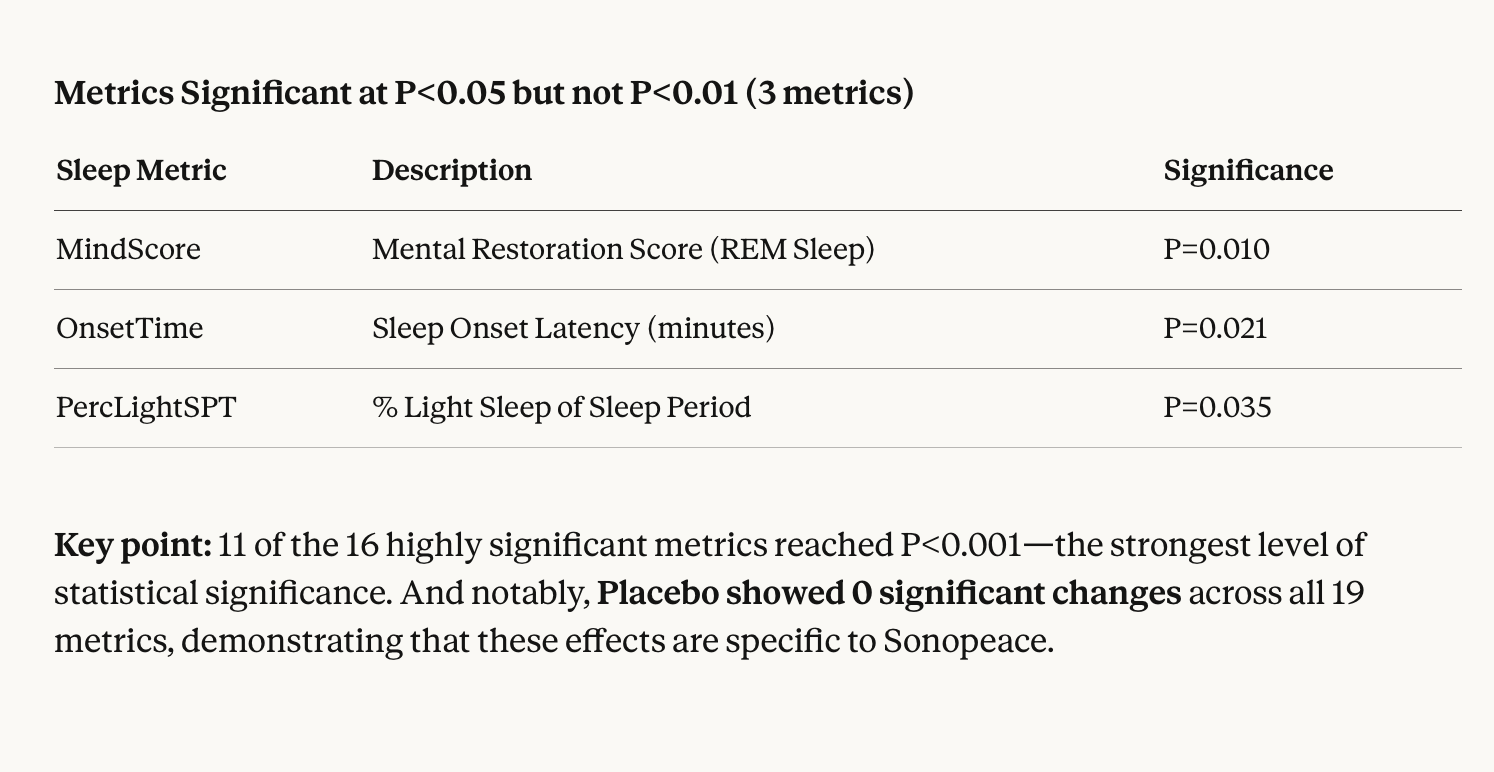
The Research Continues
The investigation into the relationship between the Mereon Matrix, sound, and human wellbeing is ongoing. What began as a question about pattern has led to a validated intervention that helps people sleep.
The natural sequence of frequencies used in Sonopeace fall within the gamma range—brainwave states typically associated with alertness, heightened perception, and active cognition. That these frequencies induce deep restorative sleep is paradoxical. The team suspects answers reside in coherence: rebalancing rather than stimulation.
Emerging research from institutions including MIT suggests that gamma-frequency stimulation may have therapeutic applications beyond sleep. Studies at MIT and other institutions provide evidence that gamma stimulation might help with Parkinson's disease, stroke, anxiety, epilepsy, and the cognitive side effects of chemotherapy. MIT News Clinical trials have shown that 40 Hz sensory stimulation is safe, well-tolerated, and associated with reduced brain atrophy and improved memory in patients with mild Alzheimer's disease. PLOS
Preliminary research from Dartmouth College suggests that gamma-band audio frequencies could potentially be used as auditory neurostimulation for non-invasive treatment of epilepsy. SAGE Publications
These findings open new questions: Could the Sonopeace frequencies, already validated for sleep, offer benefits for neurological health more broadly? The research continues.

To bring knowledge to the world that promotes health & well-being, showing this & the next generation how to live from authenticity, understanding that without diversity there is only adversity.
OUR INTENTION
A limited number of Sonopeace beta devices are available through The Mereon Legacy CIC.
100% of your purchase goes directly to support bringing this work to the world—while offering you the gift of better sleep.
Interested? Send us an email.
References:
Chan D, et al. (2022). "Gamma frequency sensory stimulation in mild probable Alzheimer's dementia patients." PLOS One.
Casey MA, Quon R, Jobst BC (2022). "Eliciting neural mechanisms of music medicine for epilepsy." Interdisciplinary Science Reviews.
MIT News (2025). "Evidence that 40Hz gamma stimulation promotes brain health is expanding."